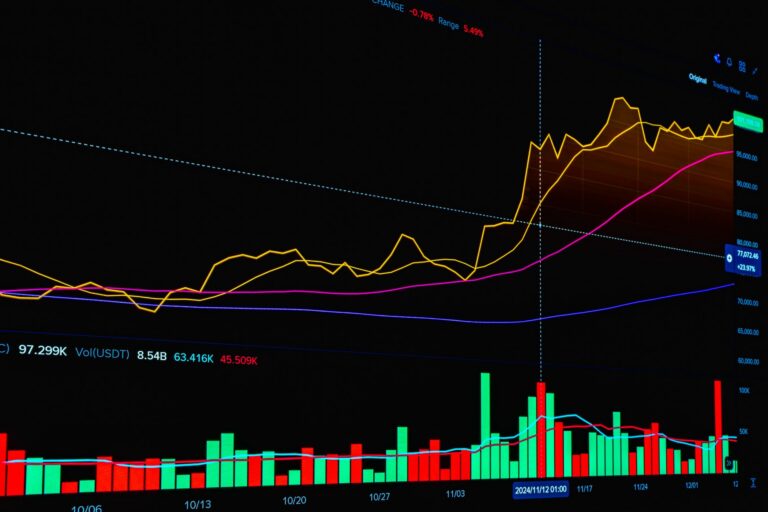
As bond yields rise, investors face a shifting landscape that offers both challenges and opportunities. Recent reports highlight the growing complexities of the bond market and suggest strategies for capitalizing on these changes.
Rising Yields and Market Impact
According to Reuters, the bond market is poised for a potentially volatile period as yields continue to rise. This increase in yields could signal more turbulence ahead, particularly as investors adjust their portfolios in response to growing interest rates. Rising yields generally indicate lower bond prices, which can impact investor returns and portfolio valuations.
An Alternative to Stocks?
CNBC suggests that for the first time in years, high Treasury yields are providing investors with a viable alternative to stocks. The idea of “There Is No Alternative” (TINA) to stocks may be losing its grip as bonds offer competitive returns. This shift could lead to a reallocation of assets, attracting more investors to the bond market who are seeking stable income in a high-yield environment.
The Vicious Loop of Mortgage Bonds
In a report by the Financial Times, it is explained how U.S. mortgage bonds might contribute to a ‘vicious loop’ affecting Treasury yields. As bond yields rise, mortgage rates follow suit, potentially slowing down the housing market and impacting economic growth. This cycle could lead to further increases in Treasury yields, affecting broader market dynamics.
Choosing the Right Bond Strategy
The Wall Street Journal emphasizes the importance of selecting the right bond strategy in today’s market. Investors are encouraged to consider various options, including duration management and exploring different types of bonds such as municipals and corporates. Shortening portfolio duration can help mitigate the impact of rising yields, while diversifying across sectors may provide added stability.
Broader Implications of Rising Yields
Vanguard Corporate discusses the broader implications of rising bond yields, noting that they reflect underlying economic conditions. Higher yields can indicate expectations of stronger economic growth and inflation, but they also pose challenges for borrowers and can lead to increased costs for corporations and governments.
This article is based on reports from various financial news outlets and does not constitute investment advice.
Get the next Top Stock Pick in your inbox — free.