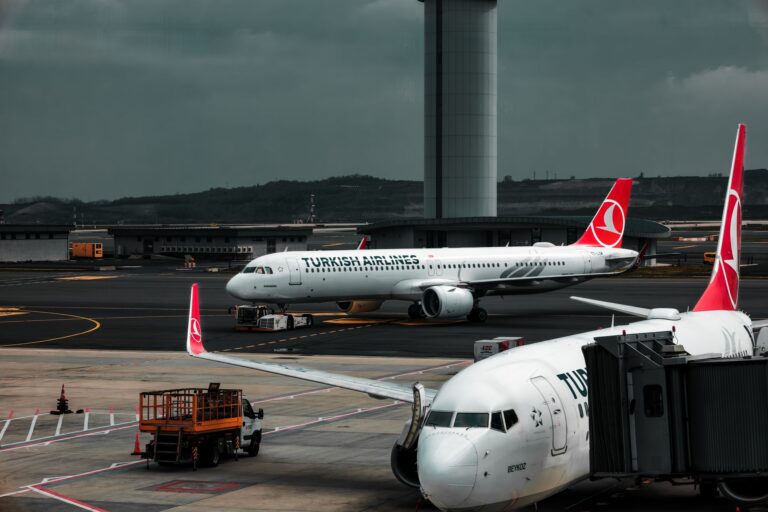
Twenty-five years after the tragic events of September 11, 2001, the United States is beginning to roll back some of the travel restrictions that have been in place since then. According to CNBC, these changes include adjustments to liquid restrictions and gate access, marking a significant shift in travel policy.
A Historical Overview of 9/11’s Impact on Air Travel
The September 11 attacks fundamentally changed the landscape of air travel. Security measures were tightened worldwide in an effort to prevent similar incidents. Al Jazeera reported that this included the introduction of bulletproof cockpit doors, more rigorous passenger screening, and limits on carry-on liquids. These measures have been in place for decades, ensuring passenger safety but also leading to longer wait times and increased inconvenience for travelers.
What Changes Are Being Made?
CNBC indicated that some of these security regulations are now being reconsidered. The changes include potentially easing the restrictions on the amount of liquid one can carry in hand luggage. Additionally, some airports may allow greater access beyond security checkpoints, making it easier for non-travelers to accompany their friends and family closer to the gate areas.
The Rationale Behind the Rollback
The easing of these restrictions can be attributed to advancements in security technology and evolving threats. New scanning technologies and improved intelligence capabilities have made it possible to maintain security without imposing the same level of restrictions. Furthermore, the U.S. government is responding to a demand for more customer-friendly travel experiences, as the public and industry stakeholders advocate for less cumbersome security measures.
Potential Impacts on Travelers
For many travelers, these changes are expected to improve the overall travel experience. Shorter lines at security checkpoints and the ability to carry more personal items could make flying less stressful. However, the changes will also require adjustments from both passengers and airport staff as new systems and protocols are implemented. According to CNBC, travelers should stay informed about these changes when planning their trips, as implementation may vary by airport and airline.
Future Directions for Air Travel Security
While these adjustments signify a shift in policy, future changes in air travel security will likely continue to balance safety with convenience. The integration of artificial intelligence and other cutting-edge technologies could further revolutionize the way security is managed. Industry experts suggest that ongoing collaboration between governments, airlines, and technology providers will be crucial in shaping a safer and more efficient air travel environment.
This article provides an overview of current changes to travel restrictions and should not be considered as exhaustive policy advice. Travelers should consult official sources for the latest information.
Get the next Top Stock Pick in your inbox — free.