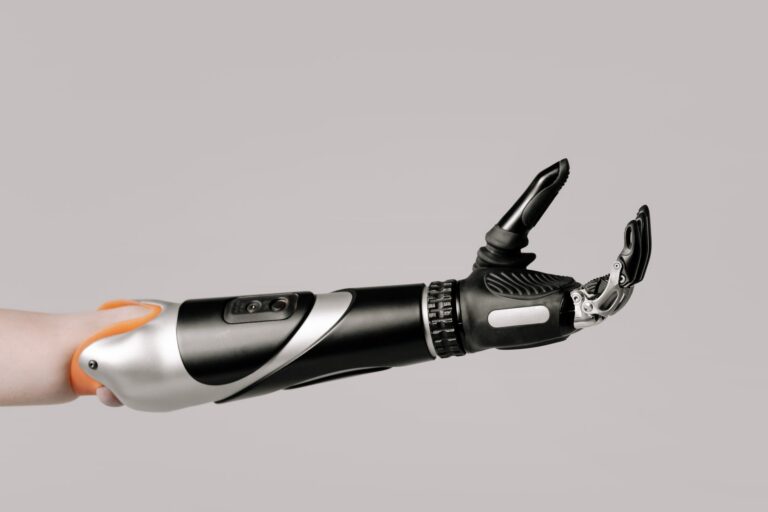
In a groundbreaking development for prosthetic technology, the University of Utah’s revolutionary bionic arm has entered its first home trials. This marks a significant milestone in assistive technology, potentially transforming the lives of individuals requiring prosthetic limbs.
From Lab to Living Room
The University of Utah has announced that its innovative bionic arm, a product of years of meticulous research and development, is now being trialed in the real-world environment of a home setting. According to the University of Utah, this is the first time the bionic arm will be tested outside of a controlled lab environment, offering a true assessment of its functionality and usability in everyday life.
Technological Advancements
The bionic arm, developed by the University of Utah, is at the forefront of prosthetic technology. It is designed to replicate the range of motion and capabilities of a natural human arm. The arm’s sophisticated sensors and motors allow for precise movements, closely mimicking the dexterity of a biological arm. This advancement has the potential to vastly improve the quality of life for amputees by restoring a high degree of functionality.
Impact on Users
For individuals who require prosthetic limbs, the bionic arm’s move into home trials represents more than just a technological advancement—it offers a glimpse into a future where prosthetics can seamlessly integrate into everyday life. According to the University of Utah, the feedback from these trials will be critical in refining the arm’s capabilities and ensuring its practicality for the users.
Potential Challenges
While the bionic arm is a remarkable innovation, its transition from lab to home is not without challenges. The University of Utah acknowledges that real-world trials will test the device’s durability and adaptability in diverse conditions. Users might face initial difficulties in adjusting to the technology, and continuous feedback will be crucial for iterative improvements.
Looking Ahead
The success of these home trials could pave the way for wider adoption of bionic arms and similar technologies. As the University of Utah continues to gather data and refine their designs, the future of prosthetic technology looks increasingly promising. This development not only highlights advances in technology but also the commitment to improving the lives of those who rely on these innovations.
The information provided in this article is based on reports from the University of Utah and should be considered as part of ongoing research and development in prosthetic technology.
Get the next Top Stock Pick in your inbox — free.