The housing market is experiencing a significant shift as mortgage rates have surged to 7%. This development is not only impacting homebuyers but also altering the broader real estate landscape. According to multiple reports, this increase in rates is having diverse effects on housing demand and market dynamics.
Mortgage Rates Reach New Heights
The Wall Street Journal reports that mortgage rates have now hit 7%, a level not seen in several years. This rise in rates adds a new layer of complexity for potential homebuyers who are already grappling with high home prices. The increased borrowing costs are expected to cool housing demand, as buyers may find it more challenging to qualify for loans or may be priced out of the market entirely.
Comparing Stocks and Real Estate
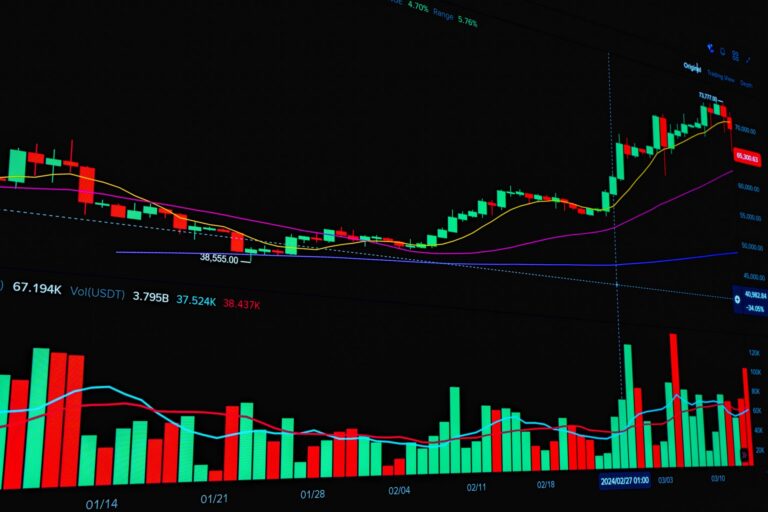
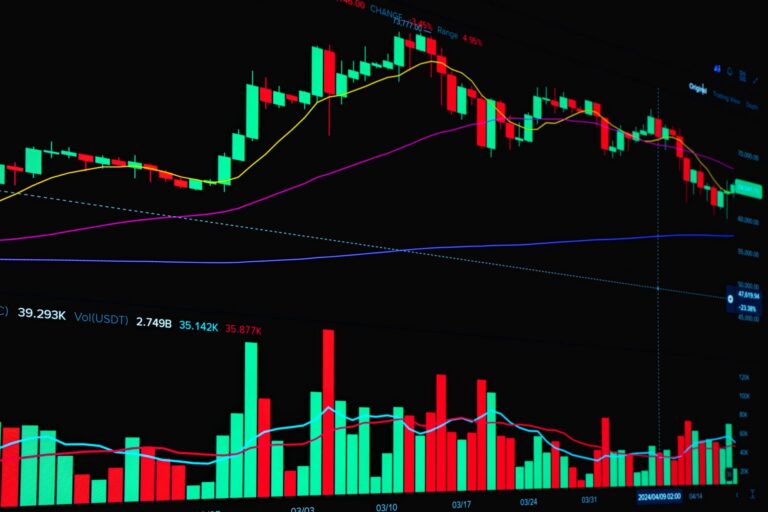
Some investors are reconsidering real estate in favor of stocks. According to Fortune, the S&P 500 has significantly outperformed the housing market, leading some to speculate whether investing in stocks might be a more lucrative option in the current financial climate. This shift in investment strategy could further impact housing demand, as capital flows might redirect from real estate to equities.
External Factors Influencing the Market
External global events are also playing a role in the housing market’s current state. The New York Times notes that geopolitical tensions, such as the conflict involving Iran, are contributing to economic uncertainty. This uncertainty can affect consumer confidence, further suppressing housing market activity as potential buyers take a wait-and-see approach.
Regional Market Resilience
Despite the national trends, some local markets are still seeing buyer interest. TAPinto highlights North Jersey as one such area where housing demand remains relatively robust despite the overall market slowdown. This suggests that while the overall market is cooling, regional variations continue to exist based on factors such as local economic conditions and housing supply.
Predictions for the Future
Yahoo Finance quotes the CEO of Coldwell Banker, who describes the market as being in a ‘soft period.’ This assessment aligns with predictions from various analysts who anticipate that the combination of high borrowing costs and inflation will likely continue to dampen demand. However, some experts believe that once inflation stabilizes, there could be an uptick in market activity as buyers and sellers adjust to new economic realities.
The information presented in this article is based on reports from various news outlets and reflects the market conditions at the time of writing. Readers are advised to consult financial advisors for personal investment decisions.
Get the next Top Stock Pick in your inbox — free.