A stock starts moving before the crowd agrees on the story. That is why serious traders want to know how to use market insights, not just consume headlines. If you are trying to catch the next big NASDAQ move, sector breakout, or momentum name before it becomes obvious, raw information is not enough. You need a way to turn signals into decisions.
Market insights matter because the market rarely rewards the investor who knows the most facts. It rewards the investor who can identify what matters now, what may matter next, and which stocks are positioned to benefit first. There is a big difference between reading financial content and using it with purpose.
What market insights actually do
Market insights are not random opinions, and they are not just a nicer way to say market news. They are observations that help explain where money is flowing, what themes are gaining strength, and why certain stocks are starting to attract attention. Good insights narrow the field. They help you focus on what deserves a closer look instead of wasting time on every ticker making noise on social media.
For retail investors, that filtering effect is the real edge. The market throws out earnings reports, analyst notes, Fed commentary, sector shifts, insider activity, unusual volume, and nonstop breaking news. Most of it is distraction unless you can connect it to a trade idea. A useful market insight tells you what changed, why that change matters, and where opportunity could show up first.
That does not mean every insight leads to a winning trade. Some themes fade fast. Some hot sectors get crowded. Some stocks pop on excitement and then collapse when follow-through never arrives. The point is not to treat insights as guarantees. The point is to use them as a screen.
How to use market insights without getting buried in noise
The first mistake many investors make is treating every data point like a trigger. One bullish article, one analyst upgrade, or one strong trading session does not automatically mean a stock deserves your capital. Market insights work best when they stack.
If a stock sits inside a sector that is gaining momentum, has a fresh catalyst, starts seeing unusual volume, and breaks above a key price level, now you are looking at a more complete picture. That is where insights become actionable. You are no longer reacting to one headline. You are seeing alignment.
Start with the theme, not the ticker
Many of the biggest short-term moves begin with a broader theme. It could be AI infrastructure, biotech catalysts, energy rotation, rate-cut expectations, or a sudden shift into small caps. The theme creates the tailwind. Once that tailwind appears, the next step is identifying which stocks are most likely to benefit from it.
This matters because weak stocks inside strong themes can still disappoint, while strong stocks inside rising themes often attract fast momentum. Start by asking a simple question: where is market attention going right now? If traders are crowding into one area of the market, that tells you where the next winner could emerge.
Look for catalysts that can move price
A catalyst gives the market a reason to care now. Without one, a stock can remain cheap, overlooked, or range-bound for longer than you expect. Catalysts can include earnings, product launches, FDA decisions, major contracts, sector news, guidance changes, or a shift in macro conditions.
When you use market insights well, you are not just noticing that a company exists. You are identifying what could force a re-rating. Timing matters. A great company with no near-term catalyst may be a fine long-term hold, but it may not be the kind of setup a momentum-focused investor wants today.
Watch price action for confirmation
This is where many investors get honest feedback from the market. You may love the story, but is price confirming it? If a stock gets bullish news and barely moves, that tells you something. If it gets strong volume, pushes through resistance, and holds gains, that tells you something else.
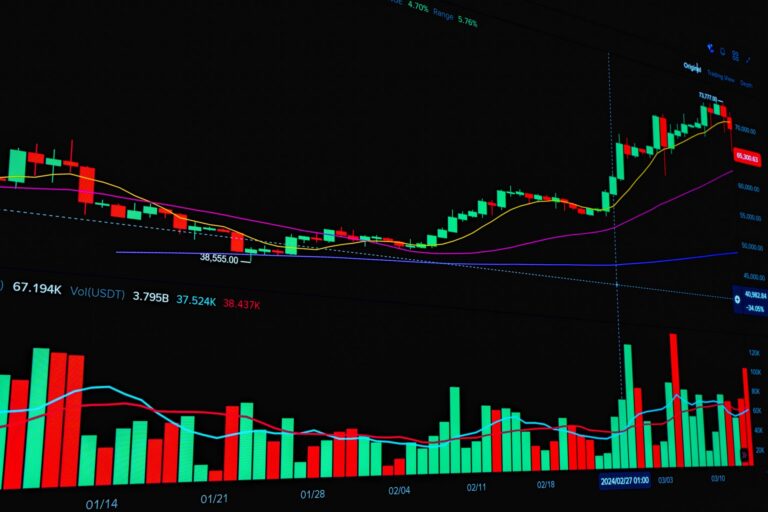
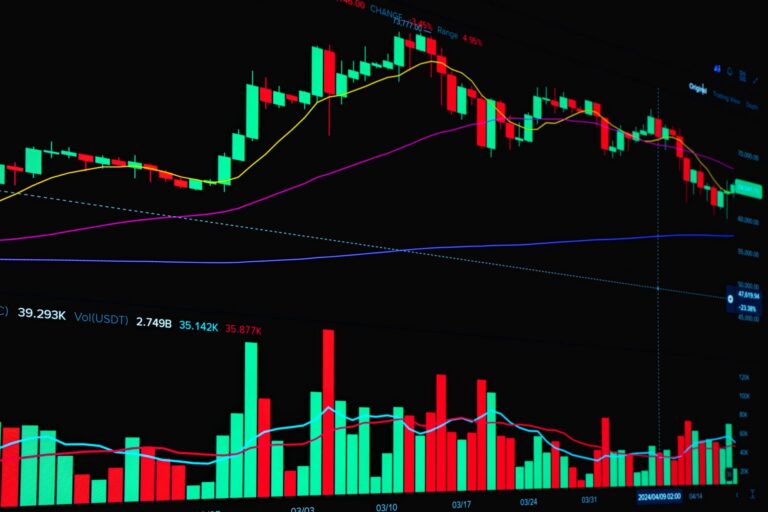
Market insights should lead you toward charts, not away from them. Price action shows whether institutions and active traders are responding. It is one thing to spot a potential opportunity early. It is another to see that opportunity attracting real capital.
How to use market insights in your stock selection process
The smartest way to use insights is to make them part of a repeatable routine. If you only react when something is already trending on every platform, you are often late. A process keeps you focused.
Start by scanning for where momentum is building across sectors. Then match those sectors to stocks with clear catalysts. After that, check whether the chart supports the idea. Finally, decide what kind of opportunity it is. Is this a quick trade on a news spike, a swing trade on accelerating momentum, or a higher-conviction position with room to run over several weeks?
That last part is important. Not every market insight belongs in the same time frame. Some are built for fast entries and faster exits. Others point to trends that can develop over a longer stretch. If your holding period does not match the setup, even a good insight can turn into a bad trade.
Use insights to build a watchlist, not just chase alerts
Urgency can help you move when an opportunity appears, but chasing every hot stock alert is not a strategy by itself. Better use of market insights means building a watchlist before the breakout becomes crowded. When a sector starts heating up, identify the names with the cleanest setups and strongest reasons to move.
Then watch for confirmation. If one of those names starts to break out on volume or gets a fresh catalyst, you are prepared. You are not scrambling after a move everyone else already sees.
This is where a service like Top Stock Picks can fit naturally for investors who want timely stock ideas without sorting through endless noise. The value is not just in surfacing names. It is in helping subscribers stay focused on the setups that actually have momentum behind them.
What strong market insights usually have in common
The best insights are timely, specific, and connected to price potential. They are not vague statements about how a sector is interesting over the next decade. They explain why attention may hit a stock now.
They also include context. If a stock is rising because of a single press release in a weak sector, that is different from a stock rising as part of a larger money flow into a hot theme. Context helps you judge whether the move has a better chance of continuing.
There is also a trade-off between speed and certainty. Early insights can offer better upside, but they carry more risk because the move is less confirmed. Later insights may feel safer, but by then the easy part of the run may already be over. That is where experience and risk tolerance matter.
Common mistakes when using market insights
One common mistake is confusing attention with conviction. A stock getting talked about everywhere can still be a low-quality setup. Hype may create a spike, but it does not always create staying power. You want to know whether buyers are showing up in size, not just whether the stock is trendy online.
Another mistake is ignoring the broader market. Even strong stocks can struggle if the overall tape turns ugly. If indexes are under pressure, traders are reducing risk, and growth names are getting sold hard, your insights need to be filtered through that reality. A good setup in a bad market often needs tighter risk control.
The third mistake is skipping the exit plan. Market insights can help you find opportunity, but they do not remove the need for discipline. Know what would prove your thesis right, and know what would tell you that the trade is failing. Fast-moving stocks reward decisiveness. They punish hesitation.
Turning insights into action
If you want to know how to use market insights well, think less like a spectator and more like a stock hunter. Follow the themes attracting fresh money. Track the catalysts that can change sentiment fast. Look for price confirmation before you commit. Then match the setup to your time frame and risk level.
That approach will not catch every runner, and it will not eliminate losing trades. Nothing does. But it gives you a sharper framework for finding stocks with real momentum instead of reacting to random market noise.
The market moves fast, and attention shifts even faster. Investors who can read the signals behind the move are usually in a better position than those still trying to catch up after the chart already went vertical. Keep your process tight, stay selective, and let the best insights lead you to the stocks worth watching next.