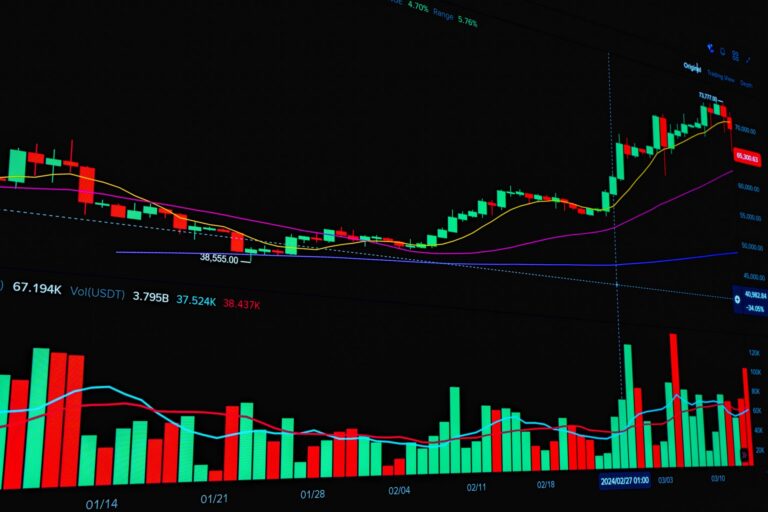
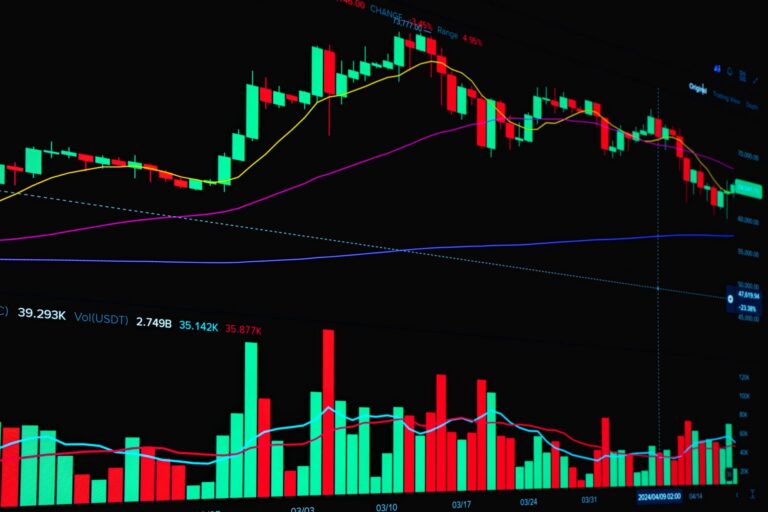
The market does not wait for anyone to catch up. A stock can break out at 9:47 a.m., a sector can flip by lunch, and a headline can send traders chasing the wrong move before the close. That is why market insights today matter so much for self-directed investors. If you want a real shot at finding the next winner, you need more than raw news. You need context, timing, and a sharper read on where money is moving right now.
Retail investors are not short on information. They are buried in it. Social feeds, analyst notes, financial TV, message boards, earnings alerts, and economic headlines all compete for attention. The problem is not access. The problem is figuring out what deserves action and what is just noise dressed up as urgency.
That is where timely market analysis separates itself. Good insight does not just tell you that a stock is up. It helps explain why it is moving, whether the move has support, and what could happen next. In a market driven by momentum, narrative, and constant rotation, that difference can save you from chasing weak setups and help you focus on names with actual fuel behind them.
Why market insights today carry real edge
Speed matters, but speed without judgment is expensive. A lot of traders learn that the hard way when they buy into a spike that fades just as fast as it arrived. Strong market insights today are useful because they put movement into a bigger frame. They connect price action to volume, sector behavior, catalysts, and sentiment.
If a small-cap biotech jumps 18% on heavy volume, that may look exciting on the surface. But the real question is whether the move is tied to meaningful news, short-covering, or pure speculation. Those are very different setups. One may have room to run. Another may already be on borrowed time.
The same goes for larger NASDAQ names. A tech stock pushing through resistance during a broad risk-on session has a different profile than one squeezing higher while the rest of the sector weakens. Context is not a luxury for traders. It is the difference between acting with a plan and reacting on emotion.
What serious investors should actually watch
Not every signal deserves equal weight. Price matters, of course, but price alone is rarely enough. The sharper approach is to watch for alignment across several factors at once.
Price and volume tell the first part of the story
A stock making a clean move on rising volume gets attention for a reason. It suggests participation. If price is climbing but volume is thin, conviction may not be there. If volume surges after a news catalyst and the stock holds gains instead of giving them back, that often says more than the headline itself.
This does not mean every high-volume move is a buy. Sometimes big volume marks the end of a run, not the beginning. It depends on where the stock sits relative to recent highs, whether the move is extended, and how it behaves after the first burst.
Sector rotation often reveals opportunity early
Many traders focus too narrowly on individual tickers and miss the bigger clue. Money tends to move in packs. When semiconductors start acting better, or energy names begin to catch bids across the board, that can matter more than one isolated stock chart.
This is especially true in fast markets. Themes gain traction quickly. AI, cybersecurity, EV supply chains, weight-loss plays, uranium, and cloud software have all had periods where the whole group started moving before the broad crowd caught on. Spotting those rotations early can lead you toward stronger setups and away from dead money.
Catalysts create momentum, but not all catalysts are equal
Earnings, FDA decisions, contracts, guidance changes, analyst upgrades, and macro reports can all move stocks. The key is understanding whether the catalyst changes the story or just creates a temporary headline pop.
An earnings beat with stronger forward guidance can reset a stock higher. A vague press release with no financial impact may only create a short-lived burst. Traders who understand the difference have a better chance of acting before momentum fades.
The trap of chasing every hot stock alert
There is nothing wrong with moving fast. In fact, in certain market windows, speed is the edge. But fast is not the same as reckless.
One of the biggest mistakes retail investors make is assuming every stock that trends is worth the trade. That is how people end up buying extended charts, jumping into crowded names late, or mistaking social buzz for institutional demand. A true hot stock alert should not just point at movement. It should help you judge whether the move is fresh, overcooked, or worth putting on a watchlist instead of entering immediately.
This is where discipline matters. If a stock is already up 35% in two sessions and nearing prior resistance, the upside may be more limited than the excitement suggests. On the other hand, if a name is just clearing a key level with volume, backed by a real catalyst and strong sector participation, that can be a different story.
There is always a trade-off. Waiting for confirmation can reduce false starts, but it can also mean missing the earliest part of a move. Acting too early can improve reward if you are right, but it can also expose you to more shakeouts. Smart investors know there is no perfect entry. There is only the entry that fits your risk tolerance and time frame.
How to use market insights today without drowning in data
You do not need twenty screens and a Wall Street terminal to make better decisions. What you need is a repeatable filter.
Start with one question each morning: where is attention going? That means looking at premarket movers, sector strength, major headlines, and any earnings or macro events that could shift sentiment. Then narrow it down. Which names have both a catalyst and a clean technical setup? Which sectors are seeing broad participation rather than one-off spikes?
From there, build a watchlist with intent. A good watchlist is not a random pile of tickers. It should include names that are close to action points, names with fresh news, and names tied to themes that institutions may continue buying. If nothing looks clean, that is information too. Forced trades are expensive trades.
This is also why concise research matters. Most investors do not need ten pages of theory. They need to know what is moving, why it matters, and what levels deserve attention. That is where a focused service can help cut through the clutter. Top Stock Picks, for example, speaks to investors who want timely alerts without spending all day sorting through noise on their own.
Why timing changes everything in fast markets
The market rewards timing more than certainty. You can be right on a company and still lose money if your entry is poor. You can also be early on a strong theme and sit through unnecessary pain before the move finally develops.
That is why the phrase market insights today matters more than generic market commentary. Yesterday’s setup may already be broken. Last week’s hot sector may already be rolling over. In momentum trading, freshness has value.
This applies especially to small caps and speculative NASDAQ names. These stocks can move hard and reverse hard. They attract attention because the upside can be dramatic, but that same volatility punishes hesitation, poor sizing, and weak planning. If you are trading these names, current information is not optional. It is part of risk control.
At the same time, not every opportunity requires minute-by-minute action. Some setups build over days or weeks. A strong earnings trend, a sector re-rating, or improving sentiment around a beaten-down growth name can create opportunities that last longer than one session. The point is not to trade everything quickly. The point is to understand what kind of move you are looking at.
The investors who stay ready usually see more winners
The traders who catch the best moves are not always the ones making the boldest predictions. Often, they are the ones paying close attention when leadership shifts, volume builds, and fresh catalysts hit. They stay prepared, they keep watchlists updated, and they know that not every alert deserves the same conviction.
That mindset is what makes market insights useful instead of just entertaining. You are not looking for noise. You are looking for signals that help you act with more confidence and less guesswork. Sometimes that means jumping on a breakout. Sometimes it means standing aside while the crowd chases a move that is already running out of steam.
If you want better stock moves, focus less on finding more information and more on finding the right information at the right time. The next big NASDAQ pick rarely announces itself twice.