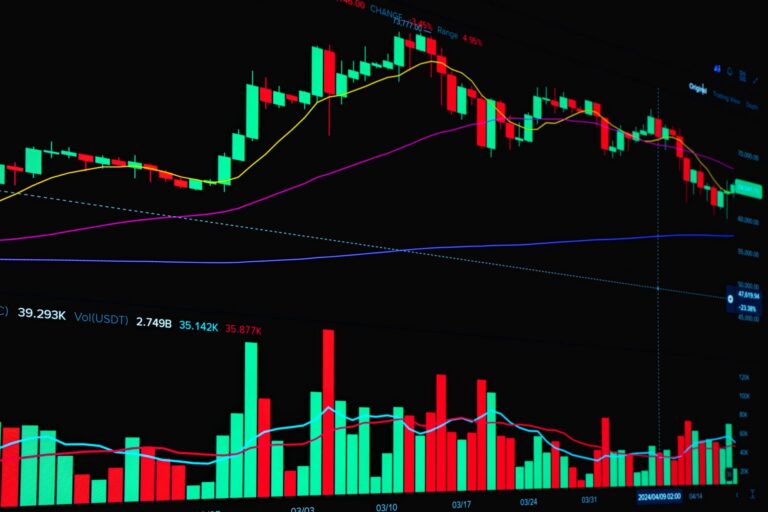
In a significant move towards democratizing financial markets, Robinhood is set to pioneer 24-hour weekend trading of U.S. stocks, marking a major shift in the trading landscape. This development, as reported by Reuters, promises to offer investors unprecedented access to the markets, aligning with broader industry trends towards continuous trading.
Robinhood’s Innovative Approach to Trading
According to Reuters, Robinhood’s decision to allow 24-hour trading on weekends is a response to the growing demand for more flexible trading opportunities. As traditional market hours often limit investor participation, this expansion aims to cater to a more global and diverse investor base. By enabling round-the-clock trading, Robinhood is tapping into the needs of investors who operate outside of conventional time zones, thereby fostering inclusivity and accessibility in trading.
Industry Trends Towards Wider Trading Access
Robinhood’s move is part of a larger industry trend towards offering more flexible trading hours. Financial markets are increasingly embracing technology to provide real-time data and access. This change reflects a broader shift in the financial industry, where digital platforms are enabling more dynamic and inclusive participation. According to Reuters, Robinhood’s strategy is poised to set a precedent for other trading platforms, potentially leading to a new standard of operation in financial markets.
Implications for Investors
The introduction of 24-hour trading over the weekends has significant implications for investors. It allows for more timely responses to global market events and economic announcements that occur outside of traditional trading hours. This can be particularly beneficial for investors dealing in international markets where time differences can pose challenges. The ability to trade at any time could also mitigate risks associated with market volatility, offering investors a chance to react swiftly to changing conditions.
Potential Challenges
While the move towards 24/7 trading offers numerous benefits, it also presents potential challenges. Continuous trading may lead to increased volatility and requires investors to constantly monitor the market, which could lead to trader burnout. Additionally, the extended hours could pose operational challenges for trading platforms, necessitating robust technical infrastructure to handle increased activity. As Reuters notes, how these challenges are managed will be crucial to the success of Robinhood’s initiative.
Future of Trading Platforms
As Robinhood embarks on this new venture, its success could redefine the future of trading platforms. If successful, other platforms may follow suit, leading to a more globalized and accessible trading environment. The adoption of 24/7 trading hours aligns with the ongoing digital transformation in finance, highlighting the impact of technology in reshaping traditional financial models. According to Reuters, this innovation marks a step forward in making financial markets more inclusive and responsive to the needs of the modern investor.
The information presented is based on current reporting from Reuters and reflects the evolving landscape of trading platforms.
Get the next Top Stock Pick in your inbox — free.
Recent Top Stock Picks
- AI Boom Fuels Major Acquisition: Long Lake’s $6.3 Billion Deal with American Express Global Business Travel
- Alaska Air’s Premium Travel Strategy Aims to Soar Above Rising Fuel Costs
- AAR Corporation to Acquire Stake in Aircraft-Maintenance Company for $1.8 Billion
- Tampa Drone Company Secures $10 Million Investment Amid Growing Defense Industry