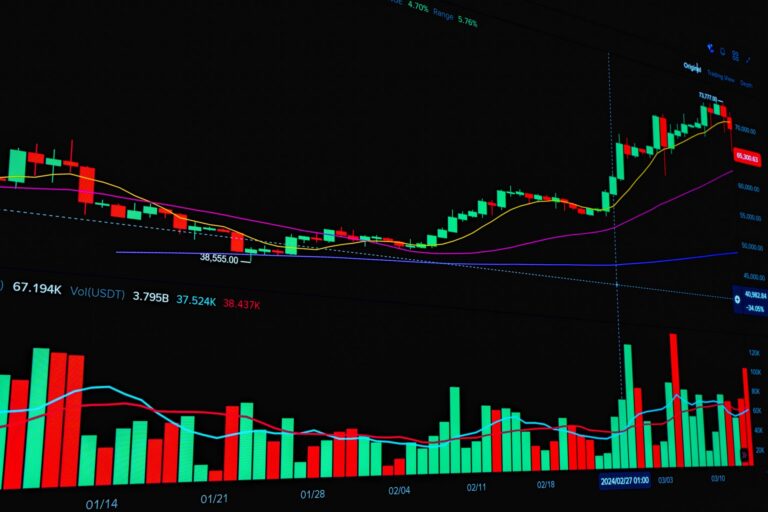
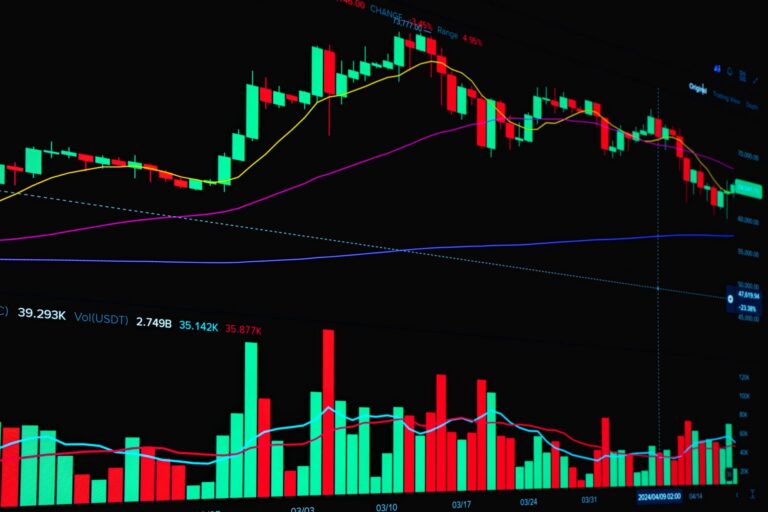
Wall Street faced a challenging day as rising oil prices and climbing Treasury yields contributed to a downturn in the markets, according to Reuters and Yahoo Finance. The complexities of the current economic landscape are affecting investor behavior and market dynamics, leading to a cautious outlook among analysts and traders.
Impact of Rising Oil Prices
According to Reuters, the increase in oil prices has been a significant factor influencing the recent market downturn. Rising oil prices often signal increased costs for businesses, which can lead to inflationary pressures and affect consumer spending. This development has prompted investors to reassess their portfolios, as higher energy costs can eat into corporate profits and reduce discretionary income.
The upward trajectory in oil prices is attributed to various geopolitical factors, including supply constraints and heightened demand. As global economies continue to recover from the pandemic, the demand for energy has surged, outpacing the current supply levels. This imbalance has driven prices higher, creating ripples across global markets.
Treasury Yields on the Rise
The rise in Treasury yields is another critical factor contributing to Wall Street’s decline. Yahoo Finance reports that higher yields have made government bonds more attractive, leading investors to shift their focus from equities to fixed-income investments. This shift can lead to a sell-off in the stock market, as investors seek safer havens amidst economic uncertainties.
Higher Treasury yields are often seen as a precursor to potential interest rate hikes by the Federal Reserve. If the central bank decides to increase rates to combat inflation, borrowing costs for businesses and consumers could rise, slowing down economic growth.
Market Analysts Weigh In
Market analysts are closely monitoring the interplay between oil prices, Treasury yields, and stock market performance. Many experts, as reported by Reuters and Yahoo Finance, suggest that investors are navigating a complex landscape where traditional safe havens and growth stocks are reacting differently to economic signals.
According to these outlets, the volatility in the markets underscores the importance of diversification and careful portfolio management. Investors are advised to stay informed about macroeconomic indicators and geopolitical developments that may impact market conditions.
Investor Sentiment and Future Outlook
Investor sentiment is currently marked by caution and a heightened awareness of risk factors. As the markets adjust to the emerging economic realities, some investors are adopting a wait-and-see approach. This cautious sentiment is influenced by concerns over inflation, potential interest rate hikes, and the ongoing impact of the COVID-19 pandemic on global supply chains, according to Reuters and Yahoo Finance.
Market participants are also paying close attention to upcoming economic data releases and central bank policy statements, which may provide further insights into the direction of the markets. The interplay between these factors will likely continue to shape investor behavior in the coming months.
Strategies for Navigating Market Volatility
In light of the current market conditions, financial advisors and analysts emphasize the importance of strategic planning and risk management. Some strategies recommended include:
- Diversifying investment portfolios to mitigate risk.
- Focusing on long-term investment goals rather than short-term market fluctuations.
- Keeping abreast of geopolitical developments and economic indicators.
- Consulting with financial advisors to tailor investment strategies according to individual risk appetites and financial goals.
These approaches can help investors navigate the uncertainties and volatility prevalent in today’s markets.
Investing in financial markets involves risk, and past performance is not indicative of future results. Investors should conduct their own research or consult a financial advisor before making investment decisions.
Get the next Top Stock Pick in your inbox — free.