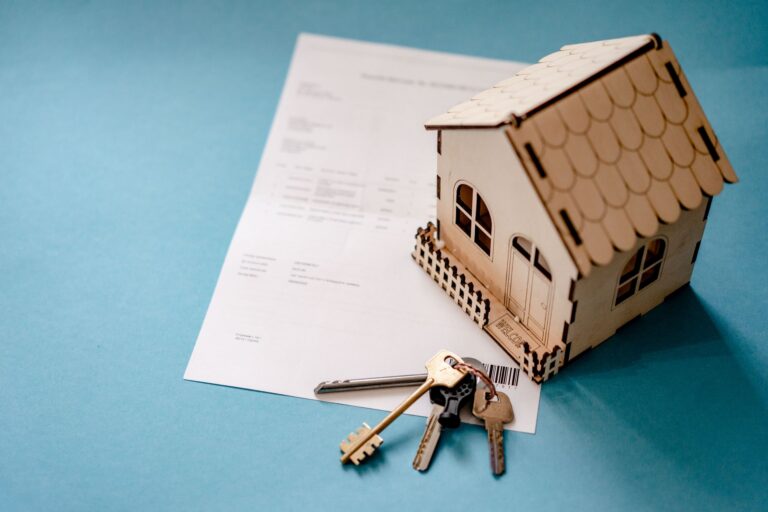
The US housing market is undergoing a significant transformation as mortgage rates rise above 7%. This shift is impacting both buyers and sellers, leading to various market adaptations and challenges.
Impact on Buyers
According to NBC News, the increasing cost of housing, compounded by rising mortgage rates, has become a major hurdle for potential buyers. This trend is particularly discouraging for first-time buyers who may find themselves priced out of the market as they struggle to afford higher monthly payments. These financial barriers are causing some potential buyers to reconsider their plans of homeownership, opting instead to wait for more favorable economic conditions.
Sellers Face New Challenges
Fox Business reports that current market conditions are forcing home sellers to adjust their expectations. With higher interest rates, sellers may need to “take a hit” on their asking prices to attract buyers. This adjustment is necessary as the pool of qualified buyers shrinks due to the elevated borrowing costs. Sellers in high-demand areas, such as the Bay Area and North Texas, may face unique pressures as local markets adapt to these broader economic changes, according to CBS News and NBC 5 Dallas-Fort Worth.
Potential Shifts Toward a Buyer’s Market
Scripps News suggests that despite the rising costs, there may be a silver lining for buyers. The market could be shifting in their favor as sellers reduce prices to accommodate the fewer number of buyers able to secure financing. This potential transition to a buyer’s market could create opportunities for those who are financially prepared to navigate the current landscape.
Cash Transactions Gain Traction
The San Francisco Standard highlights a noteworthy trend in the current housing market: the increase in all-cash transactions. In markets such as San Francisco, where housing prices are notoriously high, cash offers are becoming more common. This trend allows buyers to sidestep the challenges associated with securing a mortgage at current rates, though it also underscores the growing divide in affordability for average buyers.
National Economic Implications
According to AP News and the Wall Street Journal (WSJ), the rise in mortgage rates has broader economic implications. The housing market is a significant component of the US economy, and changes in this sector can ripple through other areas, affecting everything from consumer spending to overall economic growth. The current stagnation and potential shift in the housing market could have lasting impacts on economic recovery efforts.
This article is based on information from NBC News, CBS News, AP News, Scripps News, WSJ, NBC 5 Dallas-Fort Worth, Fox Business, and The San Francisco Standard. The housing market is subject to change, and individuals should consult financial professionals for personalized advice.
Get the next Top Stock Pick in your inbox — free.
Recent Top Stock Picks
- High Mortgage Rates Challenge Buyers and Sellers in a Shifting Housing Market
- US Housing Market Faces Challenges as Mortgage Rates Climb Above 7%
- 7% Mortgage Rates Challenge U.S. Housing Market: What Buyers and Sellers Need to Know
- Navigating the Housing Market: Strategies as Mortgage Rates Approach 7%